Peachey & Mosig
The sky has already fallen
The sky has already fallen
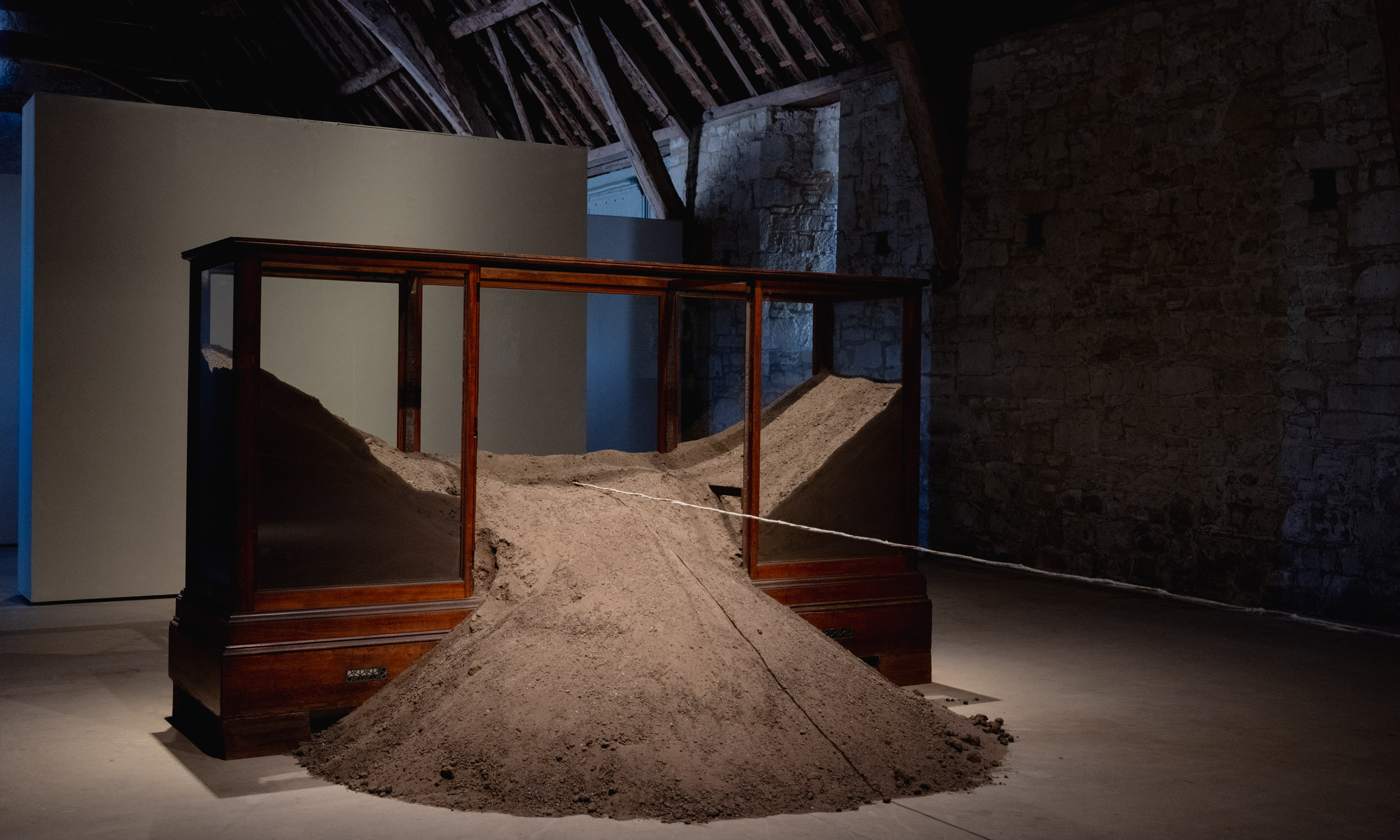
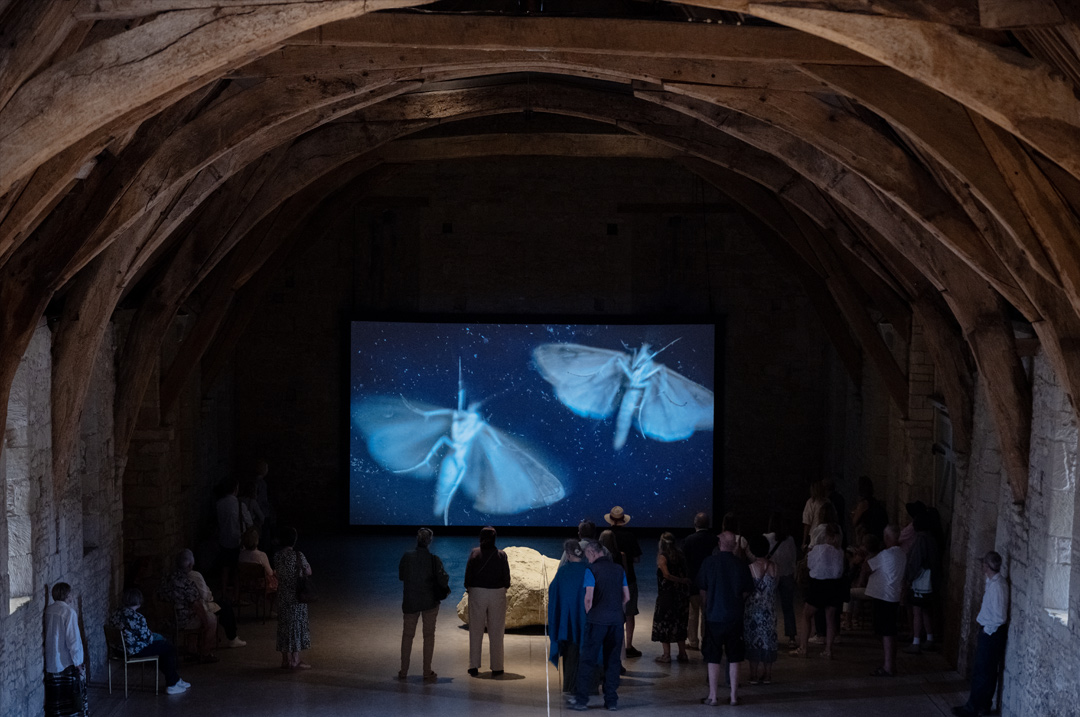
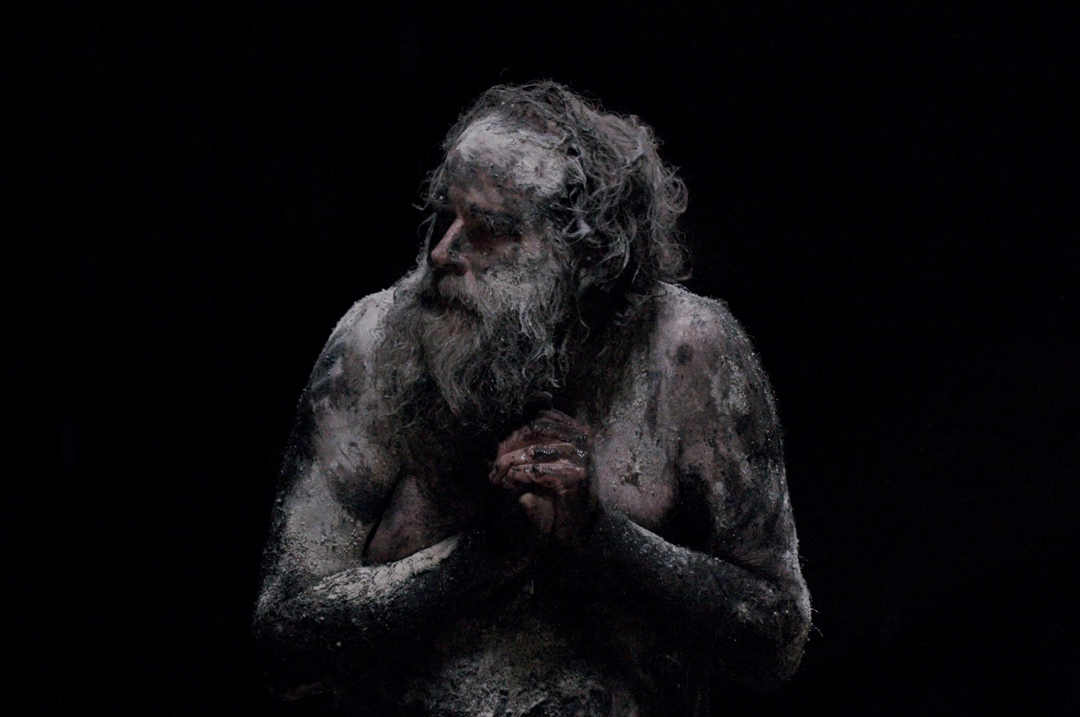
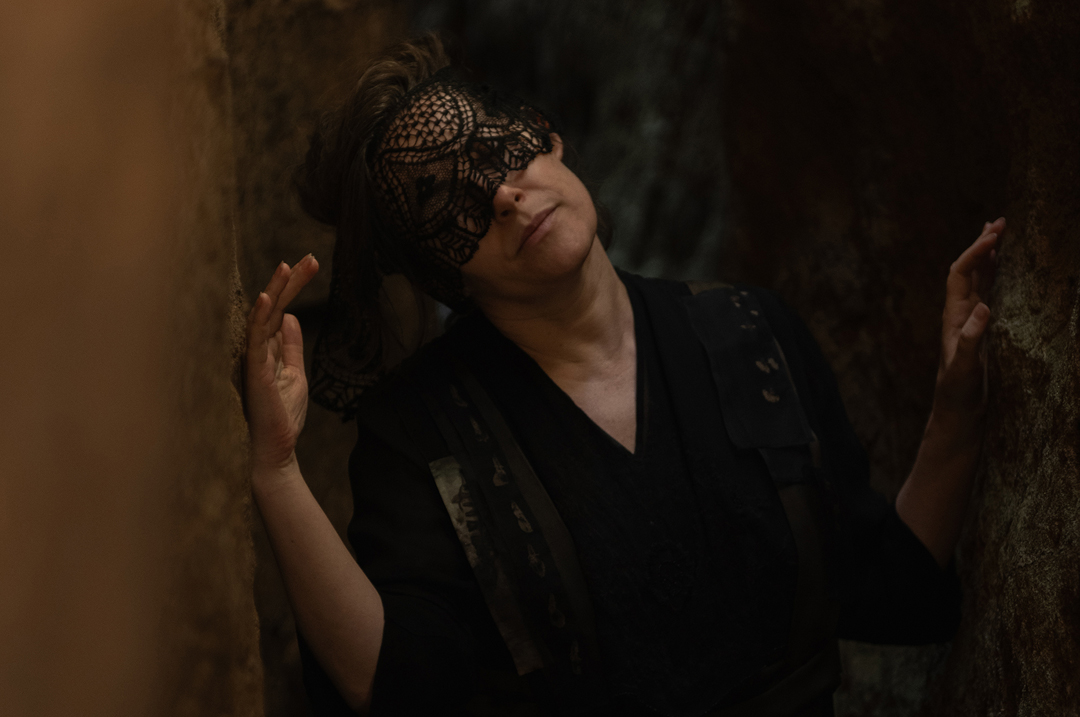
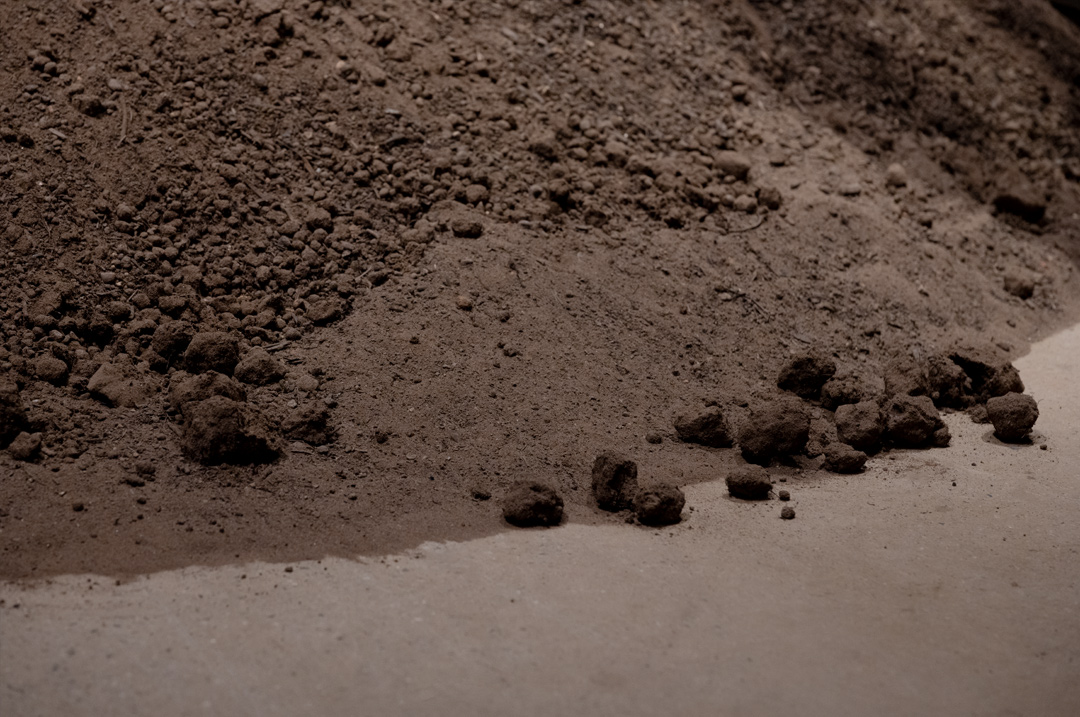

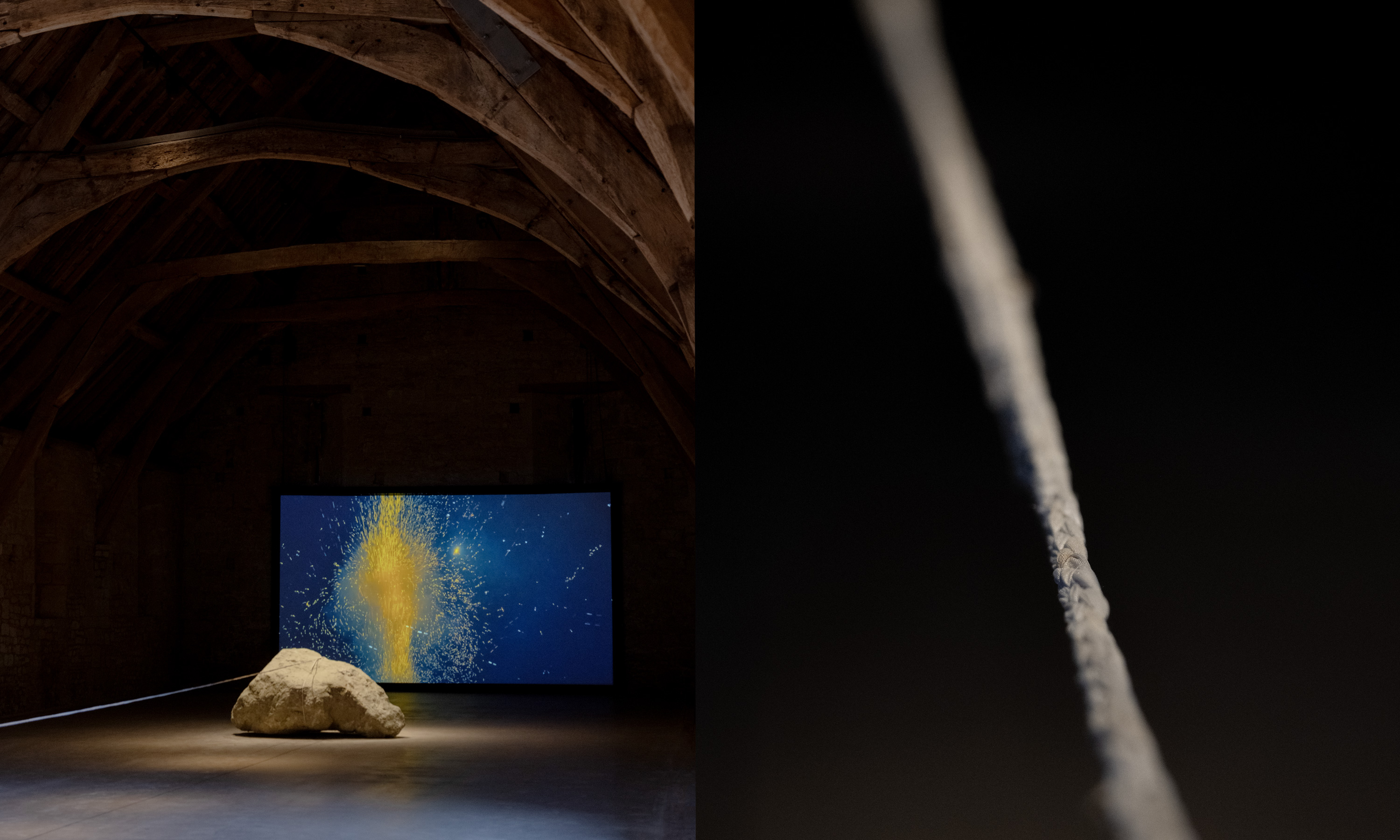
We are surrounded by more information about the state of the world than any previous generation, and less equipped to know what to do with it. Crisis arrives constantly, at a scale and complexity that exceeds any individual capacity to absorb it. It arrives without consensus, without a shared moment of recognition that might allow a collective response to form. The information splinters across disciplines, platforms, and competing narratives. Nothing is resolved in a way that everyone can hold at once.
This makes a particular kind of grief almost impossible to process. Without a moment of shared acknowledgment, there is no clear place from which to begin mourning and no clear signal to move on. Something is held in suspension, neither fully known nor fully released. We have few cultural forms capacious enough to hold that condition. A space, perhaps, for communal elegy to form.
Our bodies were never designed to process this scale of global tragedy. News of war, ecological collapse, political unraveling arrives alongside the immediate texture of a day: a conversation, a meal, a patch of ground underfoot. There is no biological or cultural instruction for what to do with that gap. The information lands, or doesn’t, and life continues.
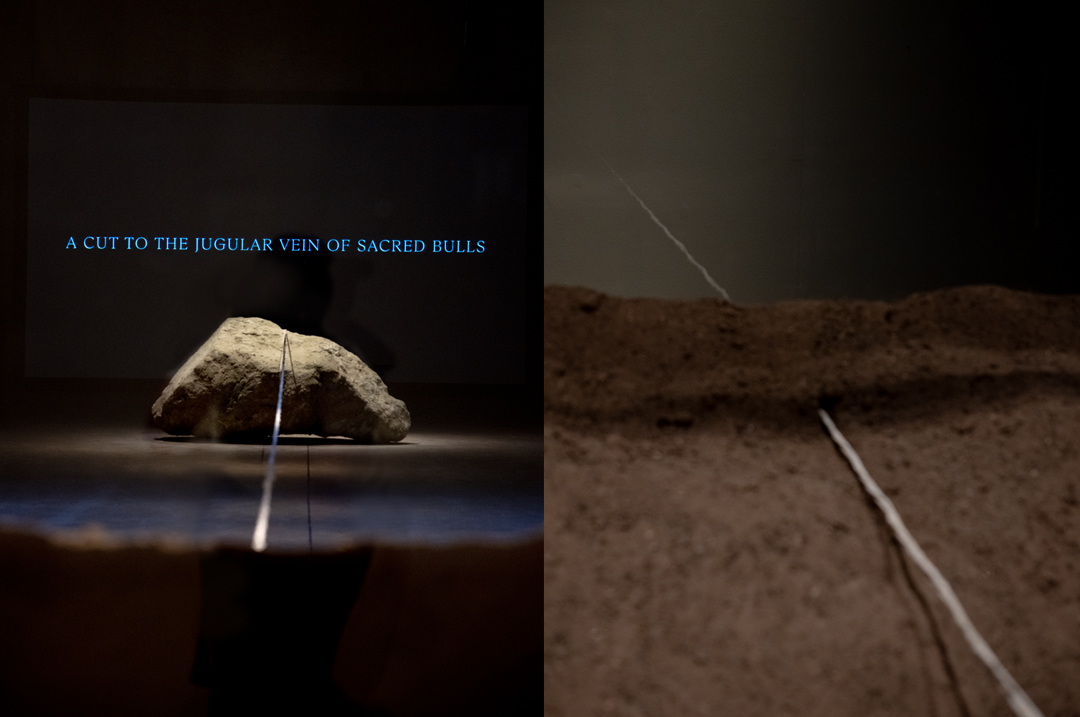
Grief is most often understood as private emotion, rarely as ecological or cultural response. We have inherited elaborate rituals for personal loss. We have very few for the loss of a species, a season, a way of living in relation to a place. Drawing on systems theory, human ecology, and the concept of solastalgia, this project extends our long-standing artistic inquiry into the layered relationships between human and environment. The development of this project has been supported by a durational residency program with The Corridor Project in regional Australia, working across remote and fragile landscapes. The Corridor Project and Messums West share an attentiveness to human-environment relationships within contemporary arts practice. Walking, gathering, observing, making in response to specific sites and conditions over time. What accumulates is not documentation but response: objects, forms, and images that hold something of the encounter rather than explaining it. Working slowly in landscapes undergoing change, attentive to what is being lost and what persists, is its own form of grieving.
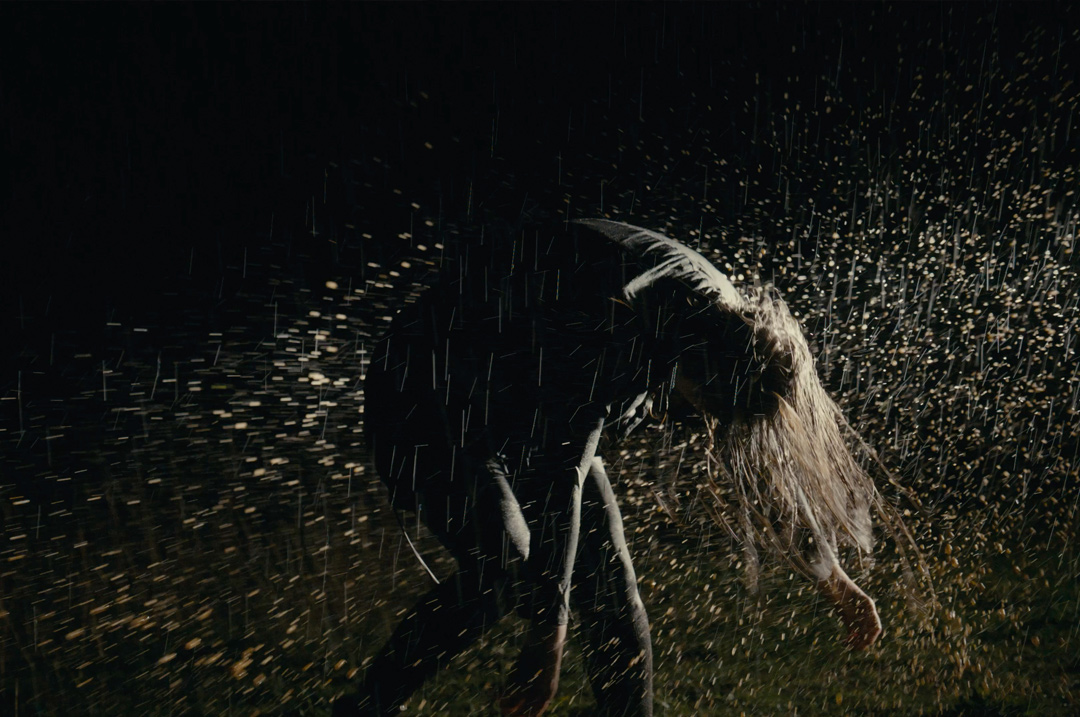
At the centre of the work is release, what happens when the holding stops, and what comes after. This is not a single fixed feeling but something closer to a change of state, an audible process, sound that comes from the body before language organises it into something explainable. It is felt and expressed physically first, and only afterwards does language gather around it. The work lives in this space between one state and the next, grief leaving the body rather than sitting inside it, audible rather than held. What is let out leaves room behind it, room for whatever grows there next. Not an ending, but a beginning. The work does not ask audiences to sit in despair. It asks them to notice a process too often rushed past or avoided altogether, the letting go that has to happen before renewal is possible.
Supported by :
ArtsACT
The Corridor Project
ArtEO
Thanks to
Jane Sheldon
Locust Jones
Kevina Jo-Smith
